Table Of Content
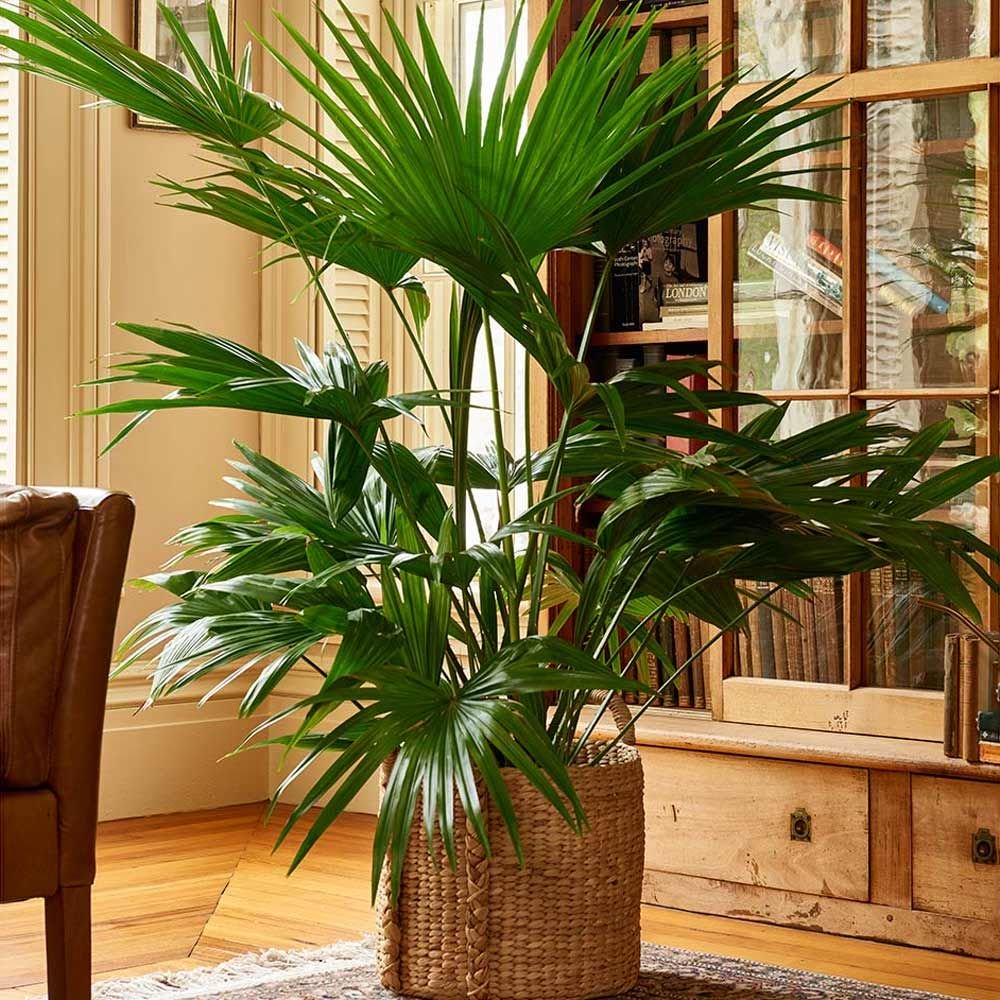
How to best display your palm depends on its specific size and growth habit. Many are perfect indoors as corner-specimen plants or foyer plants. Likewise, palms do very well in groups with smaller potted plants clustered at their base. Careful research on the particular species of palm you end up choosing is essential to growing it successfully.

Basics of Floral Design: Understanding Different Types of Flowers
The green fruit of this plant (Veitchia merrillii) turns scarlet in December, which explains why it's also known as the Christmas palm. Despite that wintery moniker, this upright-growing tree is highly cold-sensitive. Indoors some varieties reach 10 feet but there are dwarf varieties that may suit your space better. The Dwarf Cavendish (Tropicana) grows to about 8 feet and the Dwarf Red reaches 6 feet. This palm (Yucca elephantipes) is the most tree-like among palm houseplants.
How to care for a kentia palm – essential advice from an indoor plant expert - Homes & Gardens
How to care for a kentia palm – essential advice from an indoor plant expert.
Posted: Wed, 27 Dec 2023 08:00:00 GMT [source]
Best Kentia Palm Soil Mix for Optimal Growth Indoors
In their natural environment, types of palm trees grow outdoors in hot countries. For most types of palms to grow well indoors, keep room temperatures between 65°F and 75°F (16°C – 24°C). However, palms are types of houseplants that adapt well to various conditions. If your room lacks heat and has a lot of shade, then choose a parlor palm which grows in most conditions. This clumping palm (Chamaedorea cataractarum) has a short trunk, shrubby growth habit, and dark green fronds.
Tropical Plants of Florida
If you buy a palm already in a pot, make sure it’s in the right soil. Either one causes trouble if not replaced with more suitable soil. To repot a palm, gently remove the root ball from the existing pot. There is no need to shake off excess soil as this can stress the roots too much and the palm could wilt or die in the new pot.
What kind of houseplant looks like a palm tree?
This watering method makes sure that the roots get nourished with enough moisture. Checking the moisture content of the potting mix is crucial if you want your indoor palms to thrive. Palm plant pot soil needs to be kept moist, without ever becoming soggy, overly damp, or waterlogged. When watering your plants, the water should quickly drain out the pot’s drainage holes. Ideally, you should place your palm plant pot in a bright spot but away from direct sunlight. Species such as the parlor and butterfly palms may be more tolerating of shadier locations in a room or office.
Indoor palm trees and plants are very low maintenance, and will thrive for years when you give them the proper care. Ensure your plant gets bright, indirect sunlight, and increase the humidity level if it has brown tips. In this article, you will learn about the most popular varieties of palms.
The ringed trunk of this tree, like the Bamboo Palm, exhibits the remains of fronds shed as the tree ages. Adult plants at least 15 years old have featherlike fronds that develop above 2″ fruits. This tree likes intense light that is indirect to avoid burning its leaves. The Ivory Crownshaft Palm, like the Ivory Cane Palm, has a yellow to the white crown with green leaves that grow up to 30′ tall. Unlike the Ivory Cane, it has a single trunk instead of a cluster of stems.
They’re usually large enough to really catch the eye and their feathered leaves provide an impressive display of foliage. So, there are plenty of different types of indoor palm plants to consider before deciding which plants will best fit your space and decor. The thick base of the trunk stores moisture, making the ponytail palm a drought-resistant plant for growing indoors. The ornamental palm plant doesn’t grow tall when grown in pots. It’s suitable as a tabletop plant or in any room of your house that has light shade and no direct sunlight. The Potted Palm is a houseplant that is exclusively grown within indoor spaces and is kept inside for decorative purposes and air purification.
Similar to the Chinese fan palm, the European fan palm has spiky fronds that grow in a star shape. The European fan palms are easy plants to grow indoors because they grow in a range of temperatures and don’t mind being in some shade. They even thrive in regular room humidity—something that few palms can do. When it comes to choosing an elegant palm tree, it is difficult to beat the kentia palm plant. This ornamental palm has gorgeous green leaves that grow upward and arch slightly.
Here, another fake out for you—the sago is not a true palm, but rather a distant relative of conifers. Nevertheless, its textured trunk and stiff, feathery fronds make it easy to mistake this plant for a palm. The sago palm doesn’t take as kindly to low light as some others on our list, but it doesn’t demand full sun, either. The best spot for this slow-growing houseplant is one in which it gets filtered or indirect sun for at least four hours a day (preferably more).
The pygmy date palm and fishtail palms need more light and will start to droop in the shade. Relatively fast-growing, a mature majesty palm can reach 15 feet. If you're still with us and wondering where to start in choosing a live palm tree for indoors, here are our favorites. From tree-like palms up to 12 feet tall to low-maintenance and easy-to-grow palms, each is guaranteed to add a tropical vibe to your home. We also share tips on how to keep them alive and looking their best. One of the most popular palm trees used as houseplants is the Parlor Palm or Neanthe Bella Palm (Chaemaedorea elegans).
Direct sunlight can bleach and burn their leaves, causing their color to fade. It can be quite hard to see the difference between this plant and the kentia, at first glance. The leaves on the sentry are also quite wide like the kentia forsteriana, although they arch over more. This plant like other palms looks great placed in hallways or large rooms.
Increase the humidity in the room if the leaf tips become brown. This slow grower may live for up to 40 days after being separated from the parent plant. They grow in clusters and have the light green leaves of a palm shrub. It thrives in low-light environments, such as office shelves, and does not dislike chilly temperatures as others, such as the Majestic Palm, do. This low-light plant, often known as the Lady Palm, develops as a clump of compact stalks. This houseplant does not require much trimming or elaborate care.
24 Best Foliage Plants to Brighten Up Any Room in Your Home - Better Homes & Gardens
24 Best Foliage Plants to Brighten Up Any Room in Your Home.
Posted: Wed, 17 Apr 2024 07:00:00 GMT [source]
It’s recommended that you use a fertilizer high in manganese and potassium to help maximize the growth of your Indoor Palm. If you notice yellow or brown leaves, this could be a sign that your Palm isn’t getting enough potassium. The delicate curly leaves with a foot-like trunk give it an extraordinary appearance. Furthermore, it’s drought-tolerant and also purifies the indoor air. Once tips of palm leaves have turned brown, there is no way to save them. In the future, make sure you water your palm correctly and only feed it occasionally.
If set outside in the summer, this drought-tolerant palm can handle light frosts but not a hard freeze. Also known as the butterfly or bamboo palm (Dypsis lutescens), this one provides a lovely focal point in a large room due to its grand size. Often available in garden centers at around 5 feet tall, these palms are a great choice for those looking for an indoor tree-type plant. In nature, these humidity-loving palms grow up to 35’ near rivers or ponds. The slow growers make good potted plants, provided they are watered, drained well, and kept out of the sun when they’re young.
As its name suggests, the pygmy palm is a small type of palm suitable for compact, bright spaces. Compared to other indoor tropical palms, the pygmy date palm is easy to care for. This type of palm tree is extremely popular in Florida landscaping.


No comments:
Post a Comment